


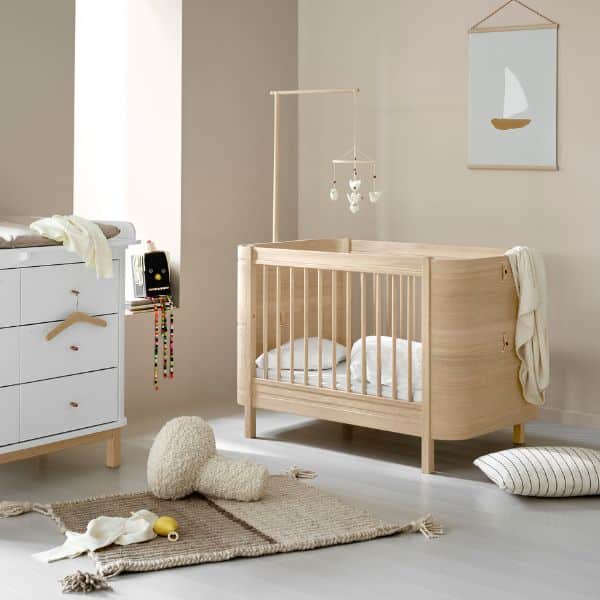
The safest baby cots for Singapore nurseries carry independent TÜV certification, are built from solid wood stable in humidity averaging 70 to 80 percent year-round, and use a European 70cm x 140cm mattress — not the local standard sizing most budget cots are built around. A cot meeting all three criteria will serve your newborn from birth and convert through multiple configurations without replacement for a decade or more.
Singapore nurseries in HDB flats and condominiums average just 8 to 10 square metres — compact enough that a convertible system transitioning from cot to toddler bed to junior bed on the same core frame is almost always more practical than a fixed cot requiring full replacement within two to three years. In a market ranging from independently certified Danish craftsmanship to unverified imports carrying no external safety testing, understanding what the credentials actually mean is the most important step before purchase.
Kühl Home carries baby cots and convertible systems from Lifetime Kidsrooms and Oliver Furniture — both manufactured in Denmark from solid Scandinavian pine, independently TÜV certified, and finished in non-toxic paint. Li This guide covers the considerations Singapore parents should work through before buying: safety certification, materials, mattress sizing, convertibility, and the construction quality that separates a cot worth buying from one that merely looks the part.
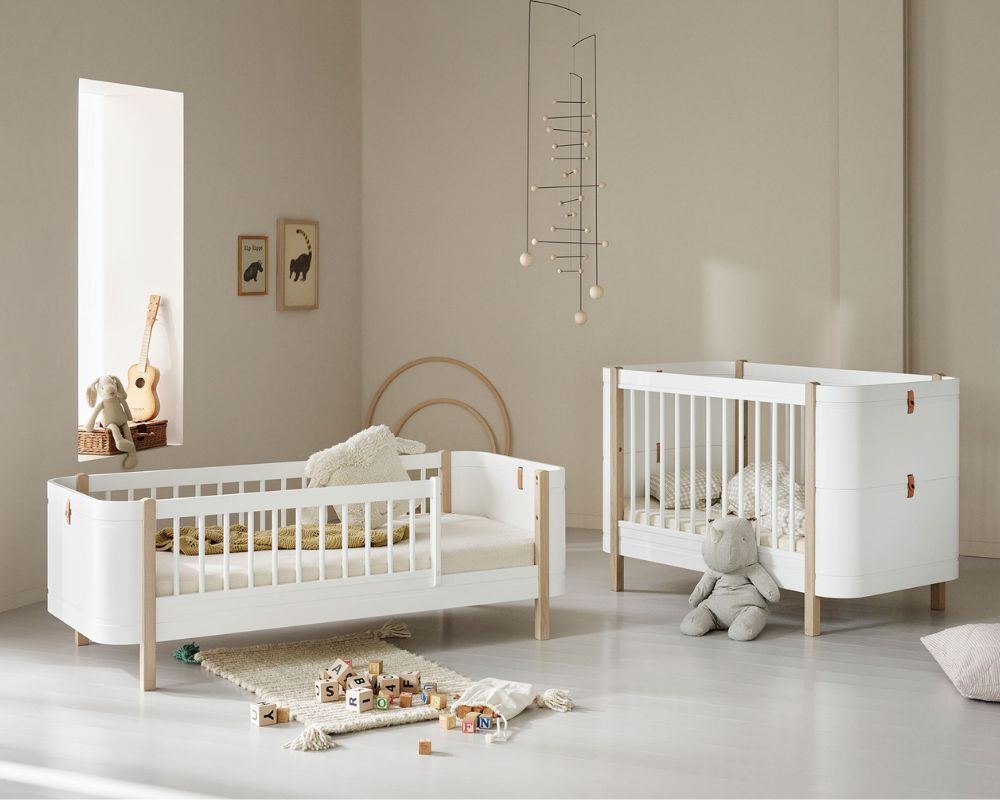
The first question to ask when evaluating any baby cot is not how it looks — it is how it has been tested. A newborn spends the majority of their hours in the cot, mouthing the rails, pulling against the sides, and relying entirely on the structural integrity and material safety of the frame. The safety standards that matter most for a Singapore parent choosing a baby cot are:
Budget cots available in Singapore often carry no independent certification and have not been tested by any external body. The absence of a TÜV mark or equivalent independent certification is a meaningful red flag, not a minor omission.
The material a cot is made from shapes its safety, its longevity, and the quality of the air in the room where your newborn sleeps. In Singapore’s tropical climate — sustained heat and high humidity year-round — this choice matters more than it would in a temperate country. MDF and composite board, which make up the majority of budget and mid-market cots sold in Singapore, perform poorly in these conditions:
Solid Scandinavian pine — the material used across the Lifetime Kidsrooms range at Kühl Home — does not share these vulnerabilities. It is dimensionally stable in Singapore’s tropical conditions, holds fixings securely across years of use and multiple reconfigurations, and is finished in certified non-toxic paint throughout. For a piece of furniture your newborn will spend the majority of their first two years in, choosing solid wood over composite board is not a premium preference — it is the correct practical decision.
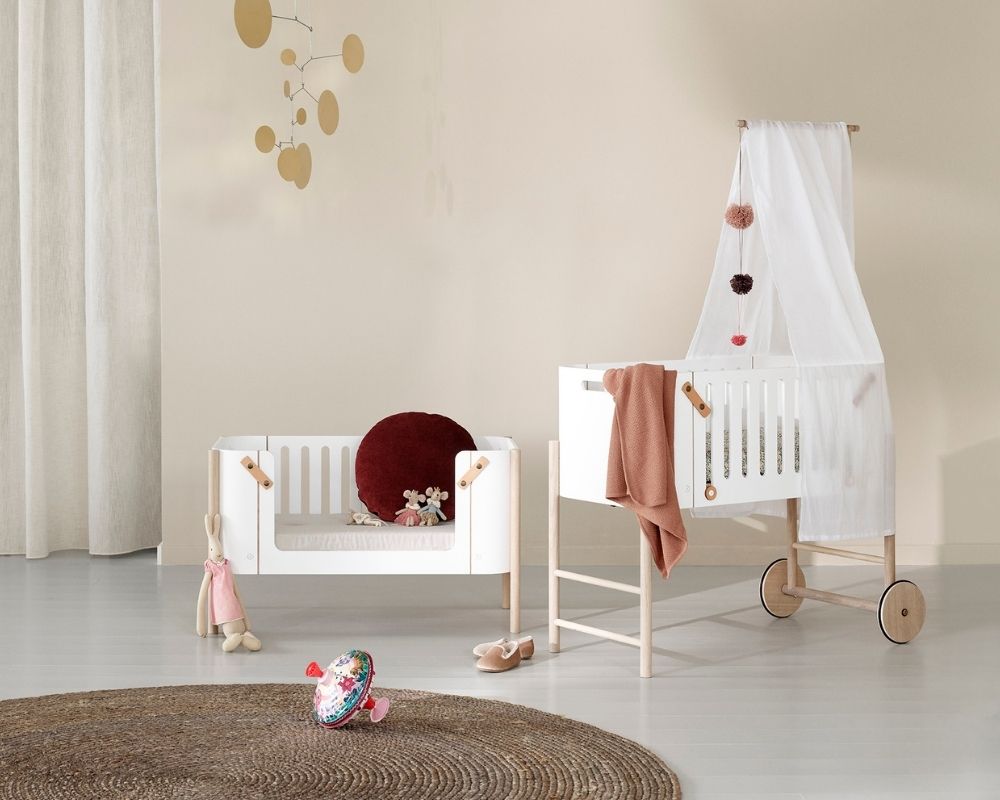
A standard fixed baby cot is outgrown within two to three years — typically when the child begins climbing out, or when their length makes the cot mattress feel constraining. At that point, the cot requires replacement with a toddler bed, which itself requires replacement with a single bed within a further two to three years. This cycle of purchasing and replacing furniture is both costly and disruptive, particularly in a Singapore apartment where the logistics of delivering and disposing of large furniture pieces are genuinely inconvenient.
A convertible cot solves this by transitioning through multiple configurations using the same core frame. The progression typically follows this path:
Each transition uses the same core frame, with components added or adjusted rather than the entire bed replaced. The up-front cost of a quality convertible system is higher than a fixed cot. The total cost over ten to twelve years is significantly lower — and the frame your child sleeps in at fifteen is the same one they came home to as a newborn.
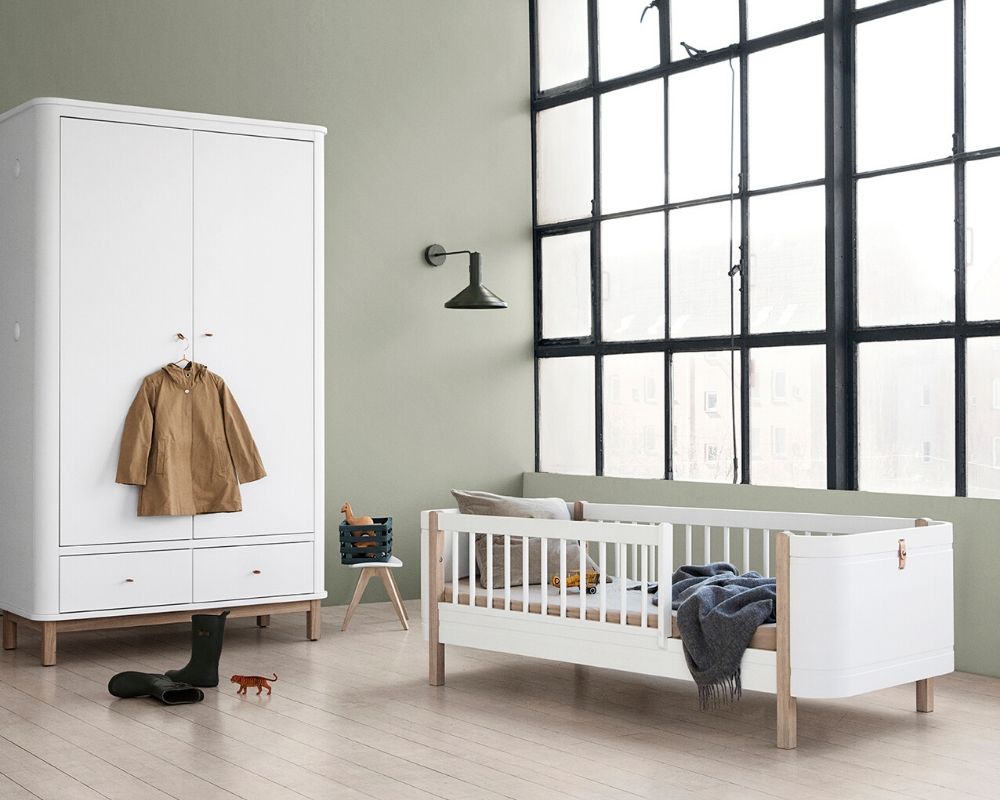
Kühl Home has been helping Singapore parents choose children’s furniture since 2015. In that time, we have observed consistently that the parents who are most satisfied with their cot purchase share a few common characteristics: they came to the showroom, they asked about the long-term conversion pathway, and they prioritised certification and material quality over price per unit.
The parents who experience regret — and we see this too — are those who purchased based on appearance alone, or who chose a budget cot without checking the certification status and found within a year or two that the frame had loosened, the finish had chipped, or the conversion options were more limited than the product description suggested.
What we advise every parent who visits our showroom:
The Lifetime Kidsrooms and Oliver Furniture ranges we carry represent the most considered children’s furniture available in Singapore at any price point. Both are made in Denmark from solid Scandinavian pine, TÜV certified, finished in non-toxic paint, and backed by a warranty of up to 15 years. Every configuration is on display at our showroom in full scale, and our team is available to walk you through the full conversion pathway from cot to teenager bed before you commit to a purchase.
Buying a baby cot in Singapore requires more scrutiny than the product photographs suggest. Safety certification, material quality, mattress sizing, and long-term convertibility are the four criteria that determine whether a cot represents a sound investment or a short-term purchase that will cost more in replacement than the initial saving justified. A TÜV certified, solid pine convertible cot from a documented Danish manufacturer is not a premium indulgence — it is the right answer to a straightforward problem: what does my child sleep in safely, for as long as possible, in a Singapore home?
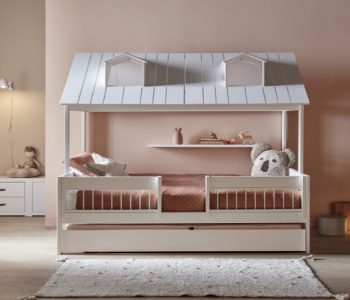
The best kids' single beds for Singapore homes fit a European 90cm x 200cm mattress, carry independe...
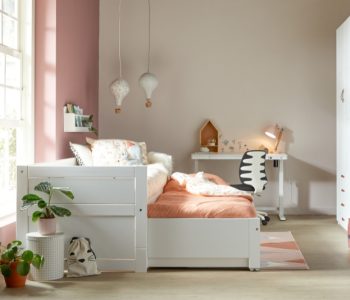
A floor bed is the safer and more developmentally appropriate choice for most children making the co...
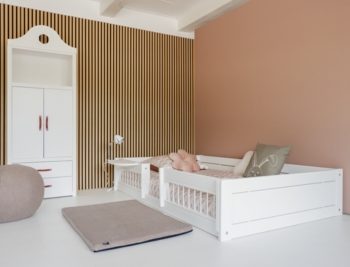
Walk into any Singapore parenting forum or Facebook group today and the Montessori floor bed comes u...
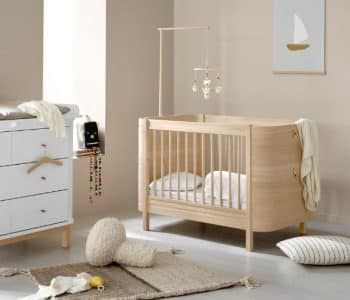
The safest baby cots for Singapore nurseries carry independent TÜV certification, are built from sol...
Choosing a baby cot is one of the first and most consequential furniture decisions new parents make....
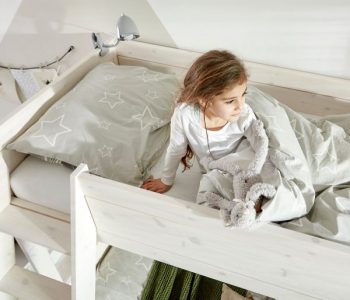
Choose a bunk bed when two children share a room and sleeping capacity is the priority. Choose a lof...
Please fill out the form below to receive our Catalogue.
There are no reviews yet. Be the first one to write one.