


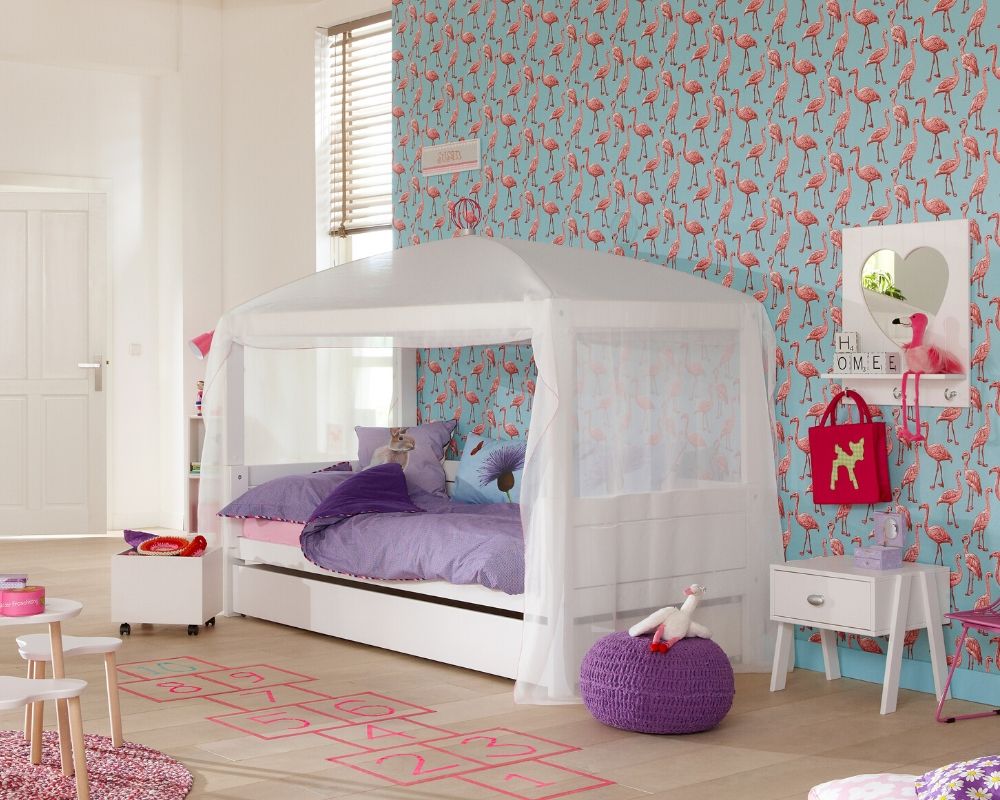
Colour strongly influences how children experience their bedroom. At Kuhl Home, colour is treated as a functional design tool rather than decoration.
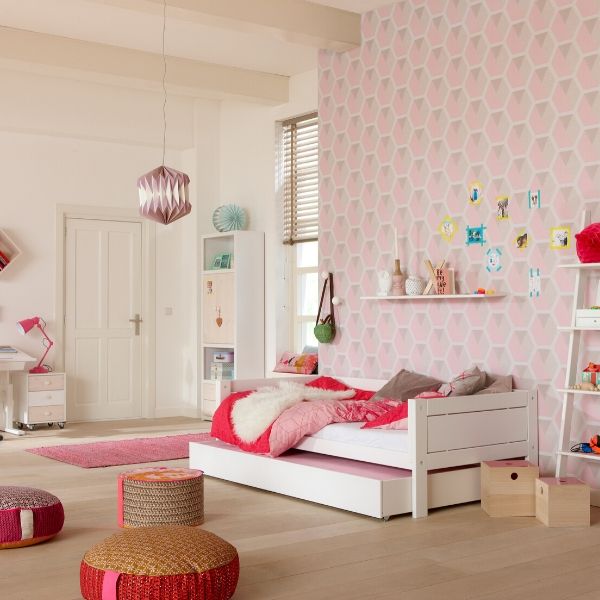
Highly saturated colours stimulate the nervous system and increase alertness and energy. Used in excess in sleeping and study zones, they can contribute to restlessness and difficulty with emotional regulation, particularly for younger children.
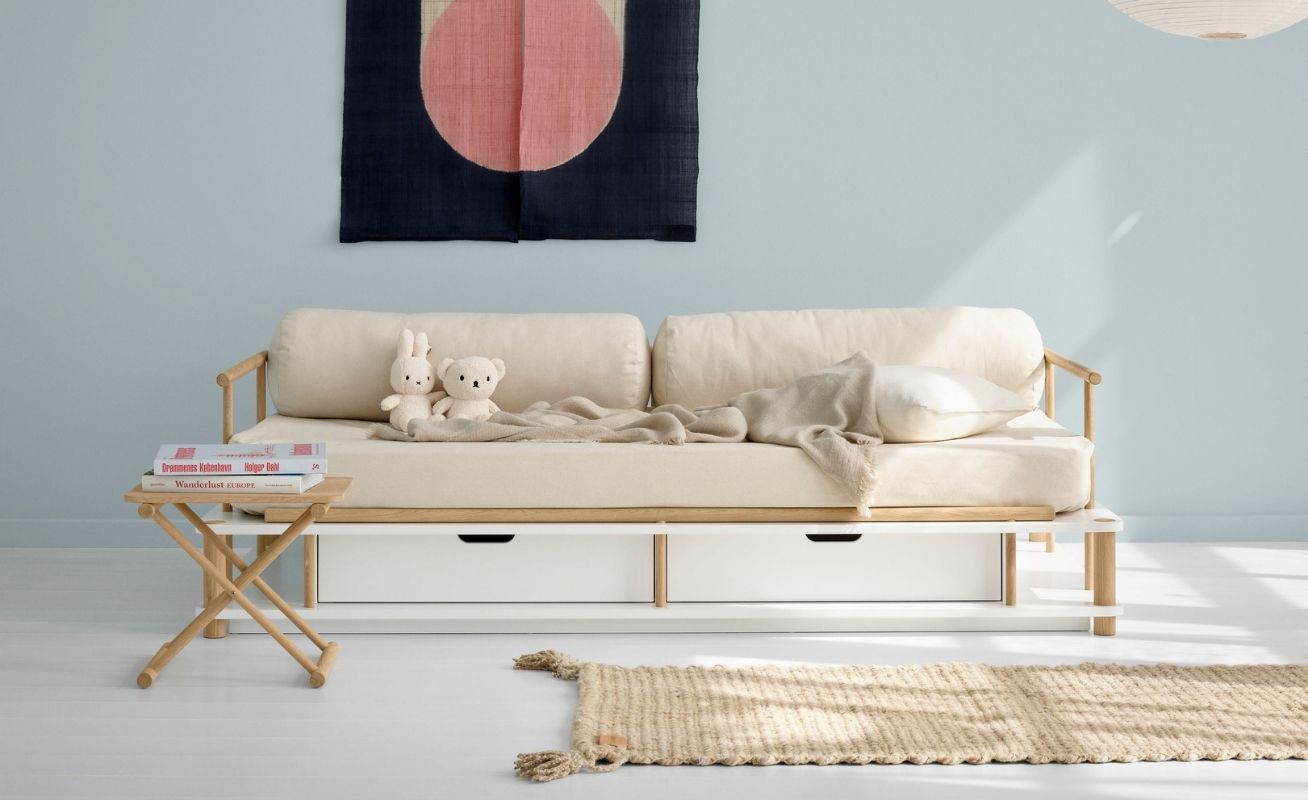
Muted greens, warm neutrals, soft greys and gentle blues create visual stability. Calm environments are associated with improved concentration, reduced sensory overload and smoother transitions into rest and sleep.
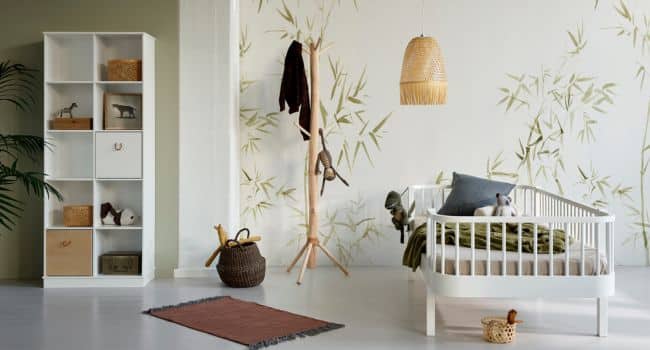
The most effective bedrooms combine calm base colours with brighter accents through artwork, cushions and accessories. This allows playfulness without compromising focus or sleep quality, which is especially important in compact Singapore bedrooms.
Large furniture surfaces shape the visual mood of the room. Neutral furniture finishes allow bedrooms to evolve as children’s preferences change without requiring replacement of core pieces. Kuhl Home selects tones that integrate naturally into modern family interiors.
Study areas perform best with minimal visual distraction. Calm backdrops behind desks support longer attention spans and reduce mental fatigue.
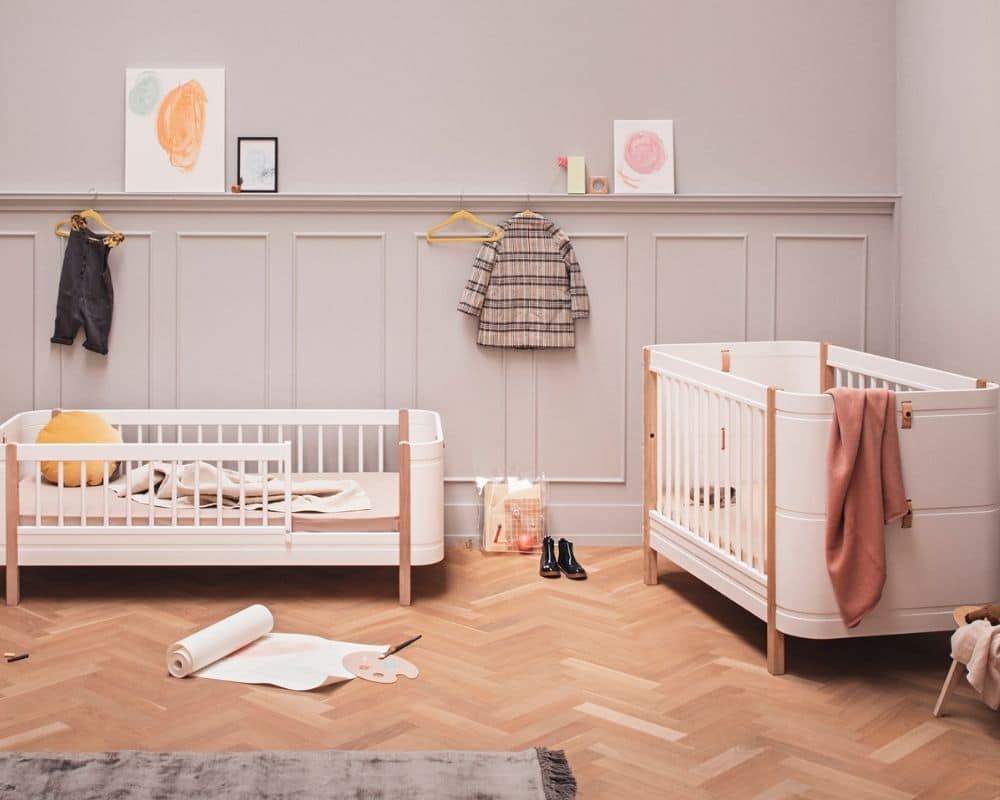
Designing entirely around a child’s current favourite colour or theme often leads to early dissatisfaction. A calm foundation allows personal expression through easily changeable elements.
Colour will not solve learning challenges on its own, but when combined with well-designed furniture, it becomes a powerful environmental tool that supports emotional regulation, focus and rest in the family home.
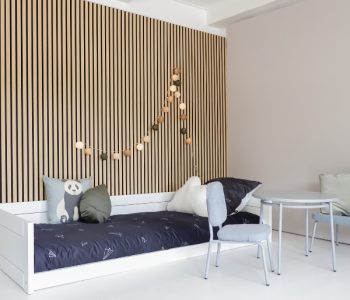
A Montessori bed is a low or floor-level bed designed to allow young children to get in and out inde...
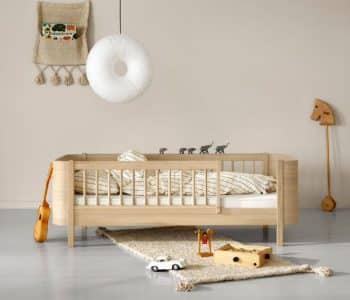
Most toddlers are ready to move from a cot to a bed somewhere between 18 months and 3 years of age, ...
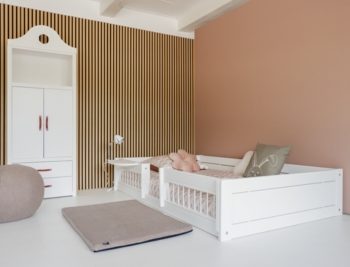
The best place to buy a toddler bed or Montessori bed in Singapore is a specialist children's furnit...
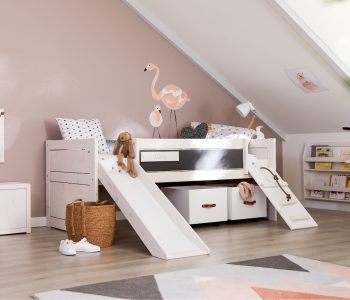
Designing a child’s bedroom is one of the most rewarding — and deceptively complex — projects in a h...
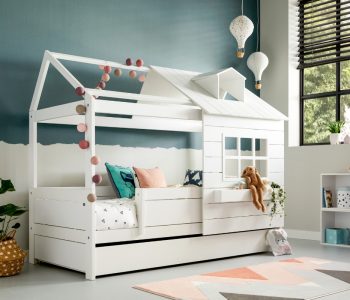
Choosing the right bed is one of the most important decisions when designing your child’s bedroom. I...
Choosing the right study table is one of the most important investments parents can make for their c...
Please fill out the form below to receive our Catalogue.
There are no reviews yet. Be the first one to write one.