


A future-focused approach for homes in Singapore
Children’s room design in 2026 is shifting away from visual themes and towards adaptability, wellbeing and functionality. At Kuhl Home, future-focused planning is centred on how children actually live, study and grow.
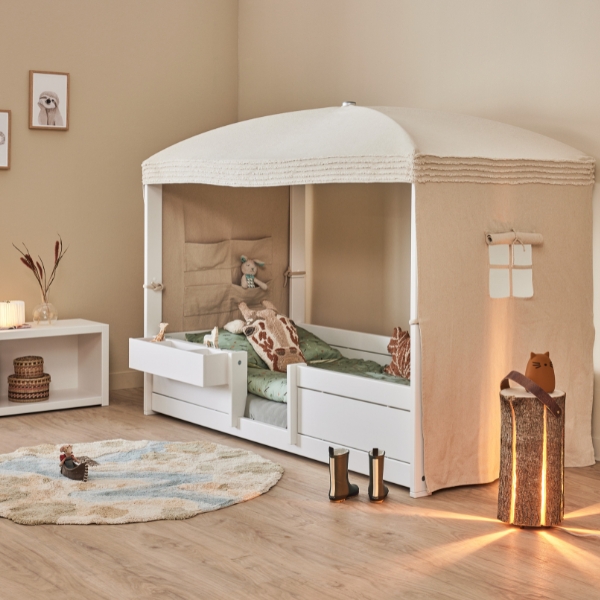
Trend 1 – Furniture that adapts to growth
Parents are moving away from short-term furniture solutions. Convertible beds, adjustable desks and modular storage systems are becoming the standard because they adapt to changing room layouts and growing children. In Singapore homes, this flexibility delivers real long-term value.
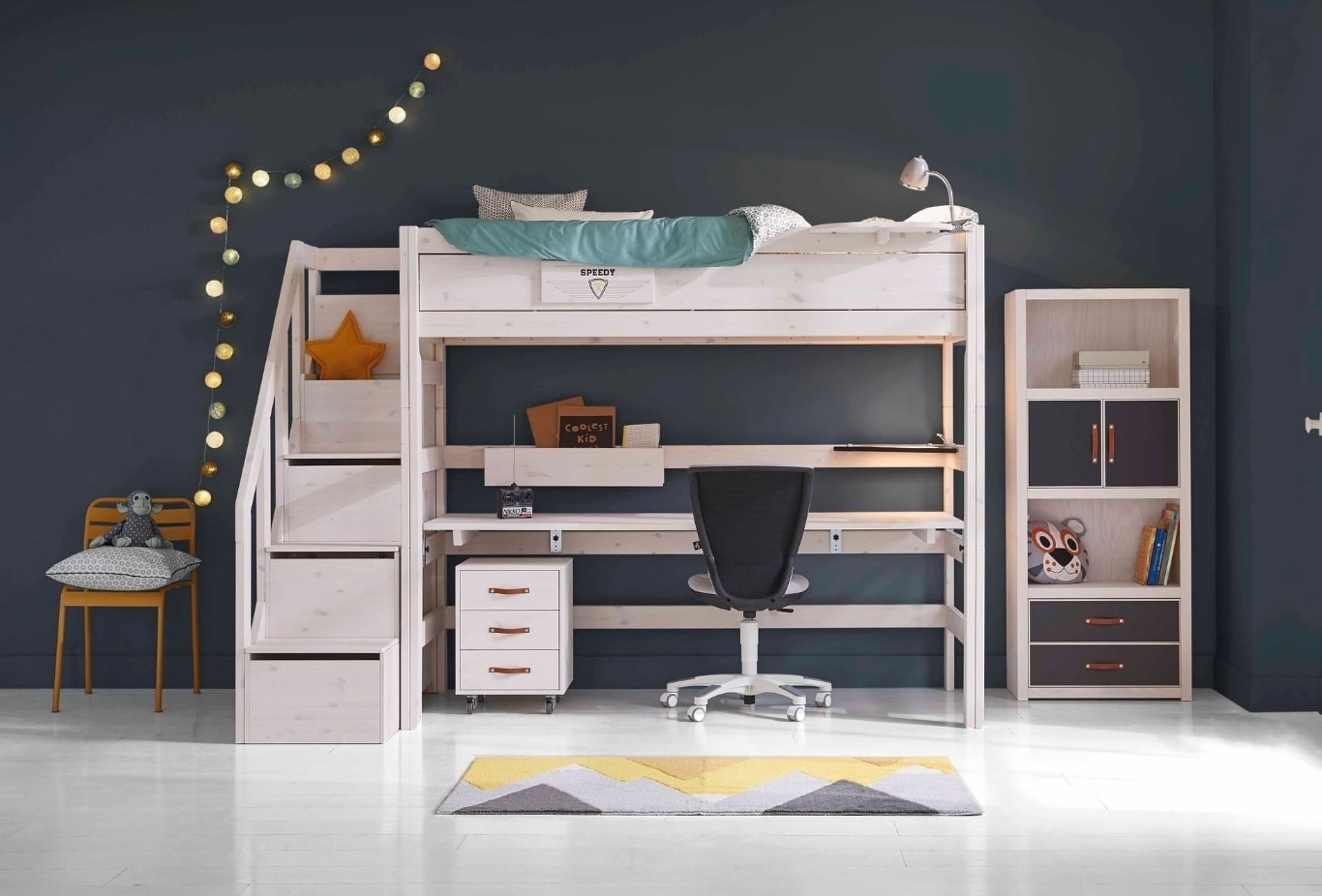
Trend 2 – Study-first room layouts
The study zone is no longer secondary. Desks are positioned more carefully for light, storage and ergonomics. Chairs and desk heights are selected for longer study sessions rather than short homework tasks. Home-based learning has permanently reshaped bedroom planning.
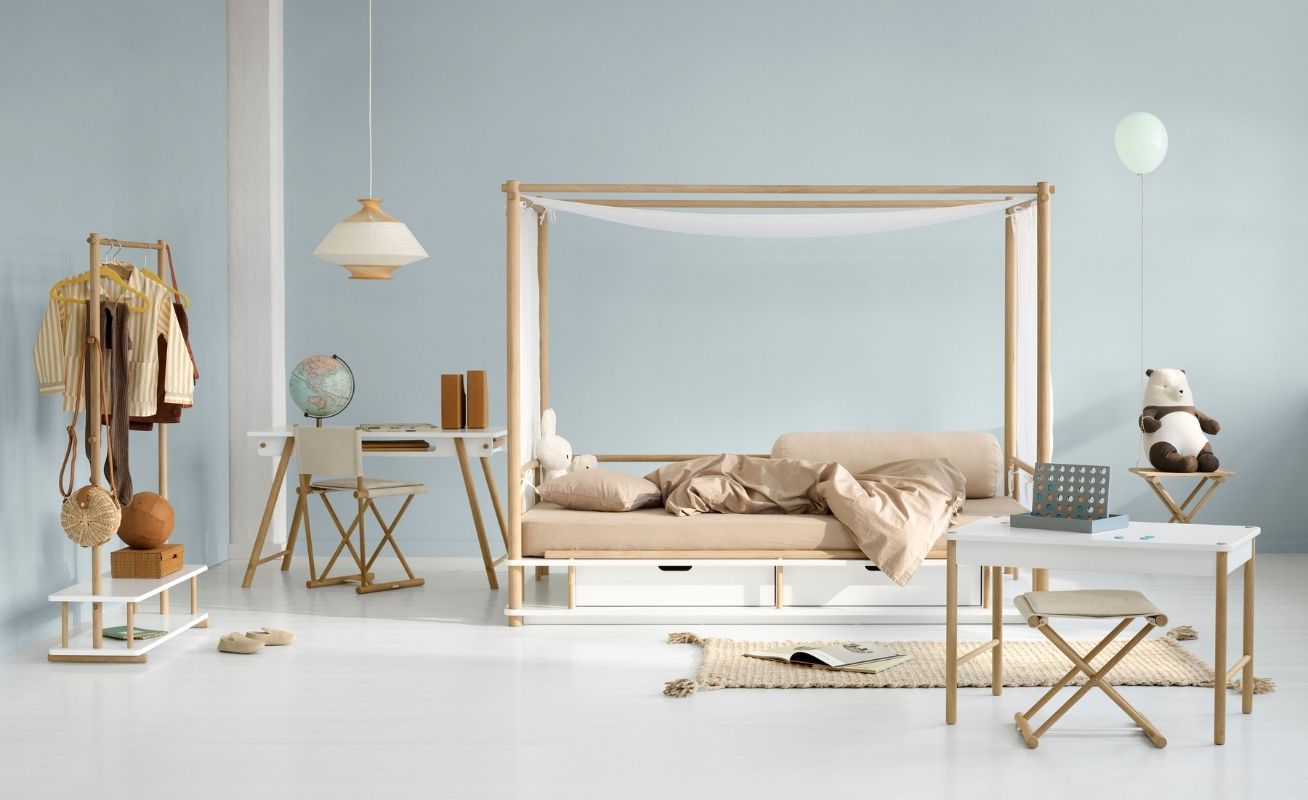
Trend 3 – Calm, neutral visual environments
Themed rooms are declining. Soft colour palettes, natural materials and visually quieter interiors now dominate because they integrate better into the rest of the home and remain suitable as children grow older.
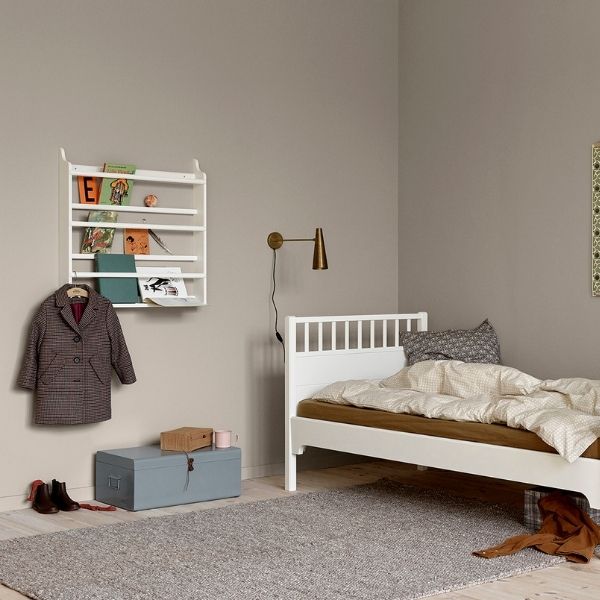
Trend 4 – Smarter use of vertical space
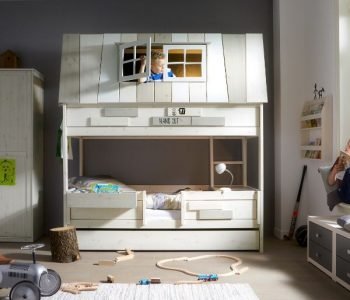
Loft beds, raised configurations and wall-based storage allow rooms to feel larger without adding clutter. This is particularly relevant in shared bedrooms and hybrid study-play rooms.
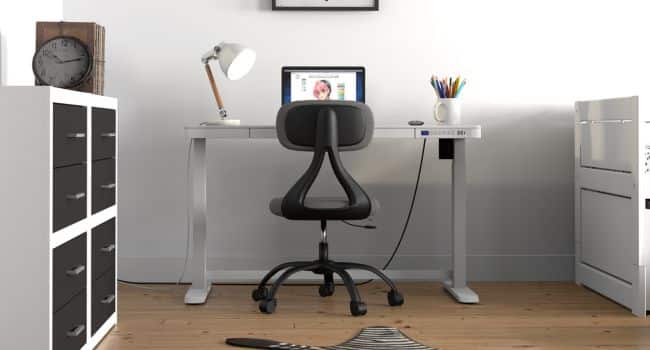
Trend 5 – Health-focused furniture choices
Posture, ergonomics and movement are now mainstream considerations. Adjustable desks and ergonomic chairs are becoming normal household furniture rather than specialist products.
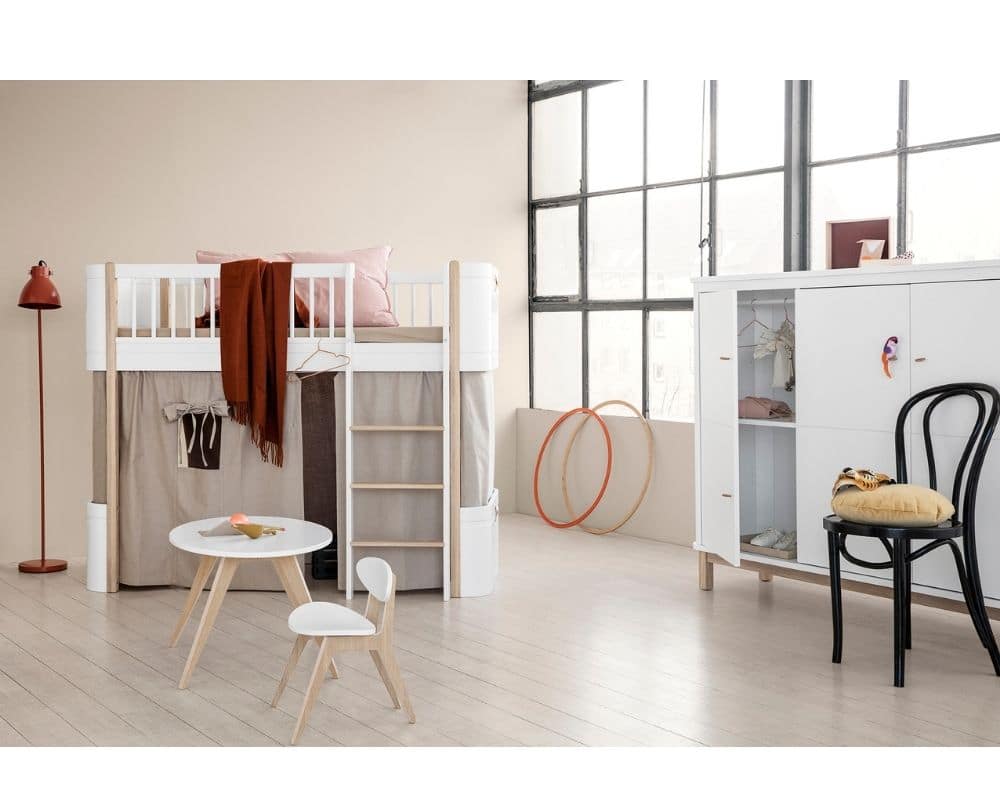
Why these trends matter in Singapore
Children’s bedrooms in Singapore often need to support sleep, study, storage and downtime in a very limited footprint. Flexibility, health and longevity provide far more value than novelty.
2026 is about performance, not decoration.
The most important trend is not how children’s rooms look. It is how well they support real childhood.
Preparing for a new baby is an exciting time, and choosing the right baby bed is one of the most imp...
In Singapore, where space is often limited and children’s bedrooms need to work harder, bunk beds ha...
Introduction For families in Singapore, creating a functional and inspiring children’s bedroom often...
Designing a child’s bedroom in Singapore often means thinking vertically. With space at a premium, p...

Designing a child’s room today involves more than choosing a bed and a toy shelf. Parents in Singapo...
This article is best for parents who are searching for the best bunk beds in Singapore not just brow...
There are no reviews yet. Be the first one to write one.